
The Art of Giving a Gift Someone Actually Wants: 7 Mistakes to Avoid
Introduction: Why Good Intentions Don't Always Lead to Great Gifts
We've all been there. A birthday is approaching, an anniversary is coming up, or a holiday is just around the corner. You want to find something special for someone you care about, but every idea seems either too ordinary, too expensive, or too impersonal.
Eventually, you choose something that looks impressive, wrap it beautifully, and hope for the best.
The recipient smiles, says thank you, and the moment passes.
Weeks later, you discover that the gift is sitting in a drawer, still in its original packaging.
What went wrong?
It probably wasn't a lack of generosity. You may have spent considerable time and money trying to find something appropriate. The problem was that choosing a good gift requires more than finding an attractive product.
It requires understanding the person receiving it.
Gift-giving is a form of communication. A present can express affection, appreciation, gratitude, celebration, or simply the fact that someone matters to us. Yet the message we intend to communicate does not always match the experience of the person receiving the gift.
The good news is that thoughtful gifting is a skill you can develop.
By understanding a few common mistakes and learning how to avoid them, you can make better choices, reduce the stress of shopping, and give presents that people genuinely appreciate.
1. Mistaking Your Taste for Their Taste
One of the most common gifting mistakes is choosing something based on what you personally find attractive.
You might love minimalist accessories, premium technology, bold fashion, or beautifully designed home decorations. When you see something that matches your taste, you immediately imagine how much the recipient will love it.
But there is a problem: you are selecting the gift through your own preferences rather than theirs.
Imagine buying an elaborate decorative object for a friend who prefers a minimalist home. The object might be beautiful, but it may not fit their lifestyle.
Or perhaps you choose an expensive technological gadget for someone who prefers simple, reliable devices over complicated new features.
Your intention is generous, but the gift reflects your interests more than theirs.
How to avoid this mistake
Before purchasing anything, consider what the recipient actually enjoys.
Think about the products they already use, the activities they choose in their free time, and the things they consistently appreciate.
If you are unsure, pay attention to what they mention in ordinary conversations. People often reveal their preferences without explicitly asking for anything.
The objective is not to find something you would love to receive. It is to find something the other person would be happy to own or experience.
2. Assuming That Expensive Means Thoughtful
Price can influence how a gift is perceived, but it does not automatically determine its emotional value.
An expensive present can be wonderful when it reflects the recipient's preferences. However, a high price cannot compensate for a poor match.
Consider two possible gifts for someone who enjoys reading.
The first is an expensive decorative object with little connection to their interests. The second is a carefully selected edition of a book they have wanted to read for months.
The second gift might cost much less, yet it could feel considerably more personal.
Research on gift-giving has identified differences between how givers and recipients evaluate presents. Givers may focus on how impressive a gift appears or how exciting it will be to open, while recipients can place greater importance on its practical usefulness and suitability.
This distinction explains why spending more does not always produce a better gifting experience.
How to avoid this mistake
Establish your budget before you start shopping, then focus on finding the best option within it.
Consider three questions:
- Does this gift reflect the recipient's interests?
- Will it fit naturally into their life?
- Is there a meaningful reason for choosing it?
If the answer to these questions is yes, you may have found an excellent gift regardless of its price.
Thoughtfulness should guide your budget, not the other way around.
3. Buying a Gift at the Last Minute
Last-minute gifting is sometimes unavoidable. Life gets busy, unexpected invitations appear, and important dates occasionally slip our minds.
However, consistently leaving gift shopping until the final moment can limit your options.
When time is short, you are more likely to choose whatever is immediately available rather than considering what the recipient would genuinely appreciate.
You might also spend more than planned because you feel pressured to find something impressive quickly.
More importantly, rushed decisions leave little room to consider personal details.
How to avoid this mistake
Start noticing potential gift ideas before an occasion arrives.
If a friend mentions wanting to try a new hobby, remember it. If a family member repeatedly talks about an item they need, make a note of it.
You can keep a simple list of upcoming occasions and possible gift ideas for people close to you.
This does not mean every gift needs months of planning. Even a small amount of preparation can reduce stress and make your choices more personal.
The best time to discover a good gift is often before you actually need to buy one.
4. Choosing Something Impressive Instead of Something Useful
Some gifts are designed to create a memorable moment when they are opened.
Others become valuable because they improve everyday life.
Both can be excellent choices, but problems arise when we prioritize the initial reaction over the recipient's longer-term experience.
A large, beautifully presented gift may generate excitement for a few minutes. A practical item that solves a recurring problem may provide value for months or years.
For example, someone who travels frequently might appreciate a compact organizer that makes packing easier. A person who works from home might value an accessory that improves their workspace.
Neither gift needs to be extravagant. Their value comes from how well they fit the recipient's circumstances.
Of course, not everyone wants practical presents. Some people prefer sentimental objects, experiences, or gifts that are simply fun.
The important distinction is that usefulness should be defined by the recipient, not the giver.
How to avoid this mistake
Think about what happens after the gift is opened.
Will the recipient use it regularly? Does it support an activity they enjoy? Does it create a meaningful experience? Does it reflect a preference they have expressed?
A gift does not need to serve a practical purpose to be worthwhile. But it should offer something the recipient genuinely values.
5. Ignoring the Occasion
The same gift can communicate different messages depending on when and why it is given.
A birthday present celebrates an individual. An anniversary gift may acknowledge a shared relationship. A graduation gift can recognize an achievement and support a new chapter in someone's life.
A thank-you gift has a different purpose: expressing appreciation for something someone has done.
Although there is no universal formula for choosing gifts by occasion, context matters.
A gift that feels appropriate for a close friend might be too personal for a colleague. A playful present might be perfect for a casual celebration but unsuitable for a formal professional milestone.
How to avoid this mistake
Start by identifying the message you want the gift to communicate.
Are you celebrating an achievement? Expressing gratitude? Showing affection? Welcoming someone into a new home?
Once you understand the purpose, it becomes easier to narrow down suitable options.
Consider the relationship, the recipient's preferences, and the expectations surrounding the occasion.
The right gift should make sense not only for the person but also for the moment.
6. Forgetting That Presentation Is Part of the Experience
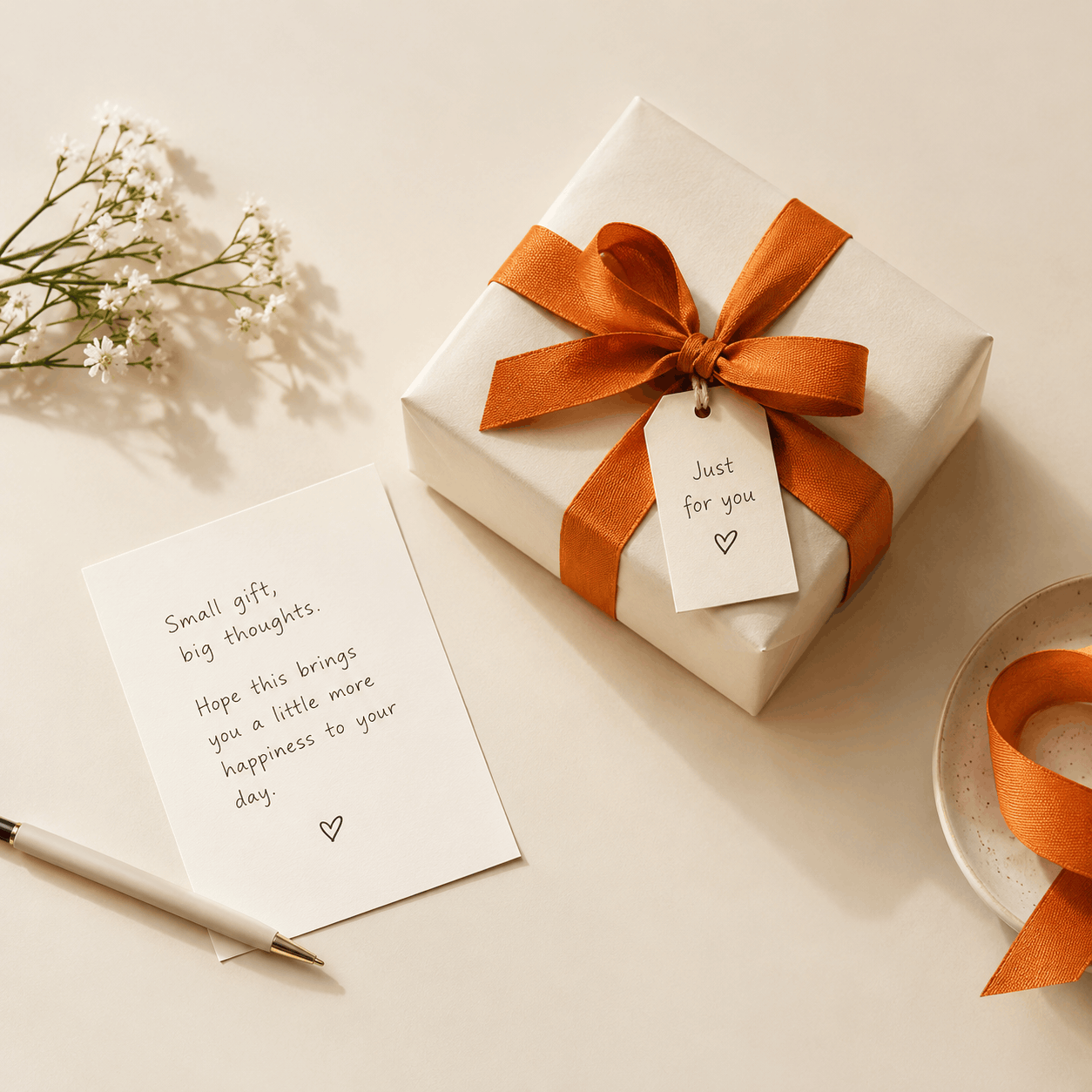
A thoughtful gift does not need luxurious packaging. However, the way you present it can influence how the recipient experiences the gesture.
Presentation includes more than wrapping paper and ribbons.
It can involve choosing an appropriate moment, including a personal note, or explaining why you selected a particular item.
Imagine receiving a simple gift accompanied by a handwritten message explaining that the giver remembered something you mentioned months ago.
That small detail can help communicate the thought behind the choice.
By contrast, an expensive gift presented without any personal context may leave the recipient uncertain about why it was chosen.
How to avoid this mistake
Add a personal touch when it feels appropriate.
A short note, a thoughtful message, or a simple explanation can make the gift more meaningful.
For example:
"I remembered you saying you wanted to try this, so I thought it might be a good place to start."
Such a message connects the present to the recipient's interests and explains the intention behind it.
You do not need elaborate packaging or a dramatic presentation. Sincerity is often more important than extravagance.
7. Choosing a Gift Without Considering Their Current Life
People's preferences are not fixed forever.
Someone who loved traveling several years ago might now be focused on building a business. A person who previously enjoyed elaborate accessories might have adopted a more minimalist lifestyle.
Major life changes can also influence what people appreciate.
Someone moving into a new home may value practical household items. A person beginning a new career might appreciate something that supports their professional routine. Someone with a demanding schedule may prefer an experience that offers relaxation rather than another physical object to manage.
A gift that once seemed perfect may no longer be relevant.
How to avoid this mistake
Consider the recipient's current circumstances rather than relying exclusively on what you remember about them.
Ask yourself:
- What is happening in their life right now?
- Have their interests or routines changed?
- Are they beginning something new?
- Would a particular gift make this stage of life more enjoyable?
You do not need to know every detail of someone's situation. Even a general awareness of their current priorities can help you make a more appropriate choice.
A thoughtful gift reflects the person they are today, not just the person you remember.
A Simple Formula for Choosing a Better Gift
If gift shopping feels overwhelming, use this straightforward framework before making your next purchase.
Step 1: Identify the recipient
Start with the person rather than the product.
Think about their interests, personality, preferences, and everyday habits.
Step 2: Identify the purpose
Determine what you want the gift to communicate.
It might express appreciation, celebrate an achievement, create a shared memory, or simply bring happiness to someone's day.
Step 3: Choose a suitable category
Consider whether the recipient would appreciate a practical item, a personal keepsake, an experience, a hobby-related product, or something unexpected.
Step 4: Set a realistic budget
Decide what you can comfortably spend and explore suitable options within that range.
Avoid treating a higher price as a substitute for a thoughtful choice.
Step 5: Evaluate the gift from the recipient's perspective
Before purchasing, imagine how the gift would fit into their life.
Would they use it, enjoy it, or appreciate its meaning?
Does it reflect something you know about them?
If the answer is yes, you are moving in the right direction.
How HappyDo Can Help You Find More Meaningful Gifts
Choosing a gift can involve several challenges at once: finding inspiration, narrowing down options, considering personal preferences, and staying within budget.
HappyDo aims to make the gifting process more accessible by helping people discover gift possibilities for different people and occasions.
Rather than beginning with a random product, start with the recipient.
Think about their interests, their current lifestyle, and the occasion you are celebrating. Then explore options that fit those details.
This approach makes gift discovery more intentional and helps you avoid choosing something simply because it is popular or visually appealing.
Whether you are searching for a birthday present, a thank-you gift, a graduation surprise, or something special for a loved one, the objective remains the same: find an option that feels appropriate for the person receiving it.
Gift recommendations can provide inspiration, but your understanding of the recipient gives the final choice its meaning.
Conclusion: The Best Gift Is the One That Makes Sense for Them
Great gift-giving is not about following a universal formula or discovering the most expensive product available.
It is about understanding the person on the other side of the exchange.
When you pay attention to someone's preferences, consider their circumstances, and think about what they would genuinely appreciate, you are more likely to choose a gift that feels personal.
You may still choose something luxurious, practical, sentimental, or playful. There is no single category that guarantees success.
What matters is the connection between the gift and the recipient.
Before your next purchase, pause for a moment and ask yourself one final question:
Am I choosing this because I think it is a great gift, or because I believe it is a great gift for this person?
That small distinction can transform the way you approach gifting.
And with HappyDo, discovering possibilities becomes the beginning of a more thoughtful experience.
Because the best gifts are not simply purchased. They are chosen with someone in mind.